


Corwin Ford Reno’s Guide to the F-150 Lightning
Get insights on the 2023 Lightning’s performance, towing, range, and how it compares to the traditional gas-powered F-150.
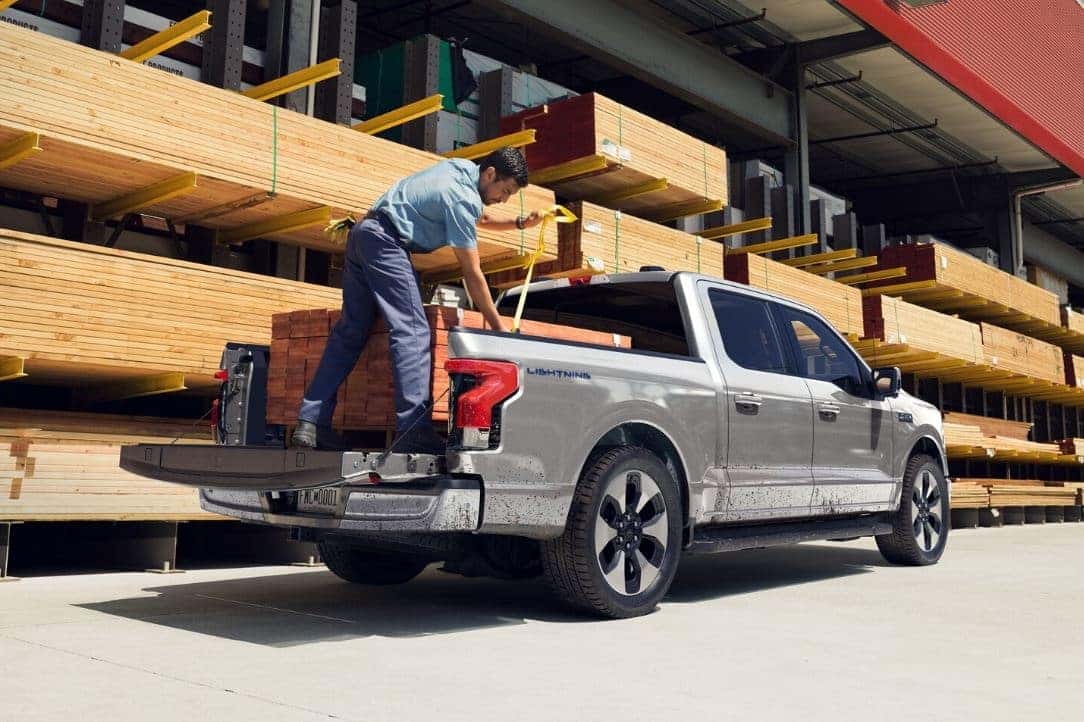
If you’re in the market for a new truck and interested in the technology and performance of electric vehicles, you’ve likely already thought about the F-150 Lightning. Here at Corwin Ford Reno, we understand that many drivers are curious about the Lightning and whether it would be worth it. Let’s take a closer look.
Performance and Capability
The F-150 Lightning redefines electric trucks. Forget about weak, short-range pickups – the 2023 Lightning comes with two electric motors that deliver 452 horsepower with the standard battery and an impressive 580 horsepower with the extended-range battery. This means it can accelerate from 0 to 60 mph in just 4 seconds.
But horsepower isn’t the only measure of a truck. Let’s talk towing. The Lightning can tow up to 10,000 lbs, making it perfect for pulling your boat, camper, or work equipment. It also has a payload capacity of around 2,235 lbs, so you can load up the bed for any job. The battery pack’s placement under the floor gives the truck a low center of gravity so you’ll have a stable and smooth ride, even when carrying heavy loads.
Range and Charging
One of the most common concerns we hear at our dealership about EVs is range anxiety. The F-150 Lightning offers two battery options to suit different needs. The standard-range battery provides an estimated EPA-rated range of 230 miles, ideal for daily commutes and weekend trips. If you need more range, the extended-range battery increases that to 320 miles.
Charging the Lightning is also very convenient; you won’t even miss going to the gas station. You can use a standard home outlet for overnight charging or a DC fast-charging station for a quick boost. DC fast charging can add up to 54 miles of range in just 10 minutes, making it perfect for quick stops during a road trip.
Interior and Technology
The interior of the Lightning stays true to the F-150’s heritage with plenty of space and modern tech. Higher trims add luxury features like heated and ventilated seats and a panoramic sunroof. A 12.0-inch touchscreen with Ford’s latest Sync 4 software comes standard, but Lariat and Platinum models feature an even larger 15.0-inch display. Apple CarPlay, Android Auto, in-dash navigation, and a Wi-Fi hotspot are all included as standard features.
The Lightning is equipped with Ford’s Co-Pilot 360 driver-assistance features, like automatic emergency braking, lane departure warning, and adaptive cruise control. A unique feature of the Lightning is the front trunk, or “frunk.” Since there’s no gas engine, the space under the hood becomes a secure storage compartment for tools, groceries, or other items.
Trims and Price
Ford offers several trims for the Lightning, each adding more features and raising the price:
- XLT: Starts at $69,995 and includes amenities like heated seats, a sunroof, and an upgraded sound system.
- Lariat: Starts at $80,995 and enhances the interior with premium materials, a larger touchscreen infotainment system, and advanced driver-assistance features.
- Platinum: The top Platinum trim starts at $92,500 and offers luxury features like a panoramic sunroof, a surround-sound system, and ventilated front seats.
Lightning or ICE F-150?
Every F-150 buyer wants to know whether they should choose the Lightning or the traditional gas-powered F-150. If you don’t know much about these two models, here’s a simple breakdown to help you decide:
Gas-Powered F-150
- Pros: Familiar fueling, more engine options (including powerful V8s), potentially lower upfront cost
- Cons: Higher long-term costs due to gasoline prices, regular maintenance needed, higher emissions
F-150 Lightning
- Pros: Eco-friendly, lower running costs with electricity, powerful electric motors with instant torque, unique features like the frunk
- Cons: Higher upfront cost, needs charging infrastructure, longer charging times than filling up with gas
Which Truck Should You Buy?
- Choose the Gas-Powered F150 if you need higher towing capacity, longer range without the worry of charging infrastructure, and a lower upfront cost.
- Choose the F150 Lightning if you prefer a more environmentally friendly vehicle, want lower long-term fuel and maintenance costs, and appreciate the advanced technology and performance benefits of electric power.
Ultimately, the best truck to buy is the one that fits your budget, lifestyle, and priorities. Call or visit Corwin Ford Reno to speak with our experienced sales representatives, explore both models and find the perfect truck for your lifestyle.
We serve customers in and around Reno, Carson City, Sparks, the North Valley, Spanish Springs, Verdi, Virginia City, the Carson Valley, and Northern Nevada.
Commonly Asked Questions about the F-150 Lightning
Are F-150 Lightning reliable?
The F-150 Lightning is a relatively new vehicle, so there isn’t a long-term track record on reliability. But Ford has a strong reputation for building reliable vehicles. Plus, the electric powertrain has fewer moving parts than a gas engine, which could mean lower maintenance costs over time.
What is the range of the Lightning?
The F-150 Lightning offers two battery options:
- Standard-range battery: Estimated range of 230 miles.
- Extended-range battery: Up to 320 miles.
Your actual range will depend on factors like driving conditions, weather, and cargo weight.
How long does a Ford Lightning battery last?
Ford provides an 8-year or 100,000-mile warranty on the F-150 Lightning’s battery, guaranteeing at least 70% of its original capacity during that period. The battery consists of serviceable modules, so if one fails, it can be replaced without needing a whole new battery pack.
Is the Ford F-150 Lightning Worth Buying?
Whether the F-150 Lightning is worth it depends on your needs:
- Driving habits: If your commute fits within the Lightning’s range and you can charge at home or work, you’ll save on fuel and help the environment.
- Towing needs: The Lightning can tow well, but for long-distance heavy towing, the gas-powered F-150 might be more practical due to more available refueling options.
Upfront cost: The Lightning has a higher starting price than a gas F-150, but federal and state tax incentives can help. Plus, you’ll likely save on fuel and maintenance over time.

0 comment(s) so far on Corwin Ford Reno’s Guide to the F-150 Lightning